
Money, Currency and ATMs in Ethiopia
After many years of experience in the tourism industry, it is clear that planning your payment methods is an important part of organizing any trip to Ethiopia or a tailor-made Ethiopia tour.
When planning an Ethiopia vacation, booking flights, hotels, tours, and activities is exciting. The good news is that you usually do not need to worry about these upfront payments, as everything is clearly outlined in your travel agreement. However, when it comes to daily expenses such as taxis, restaurants, tips, shopping, and local services, it is important to understand which currencies are accepted and whether it is better to use a credit card or withdraw cash from an ATM.
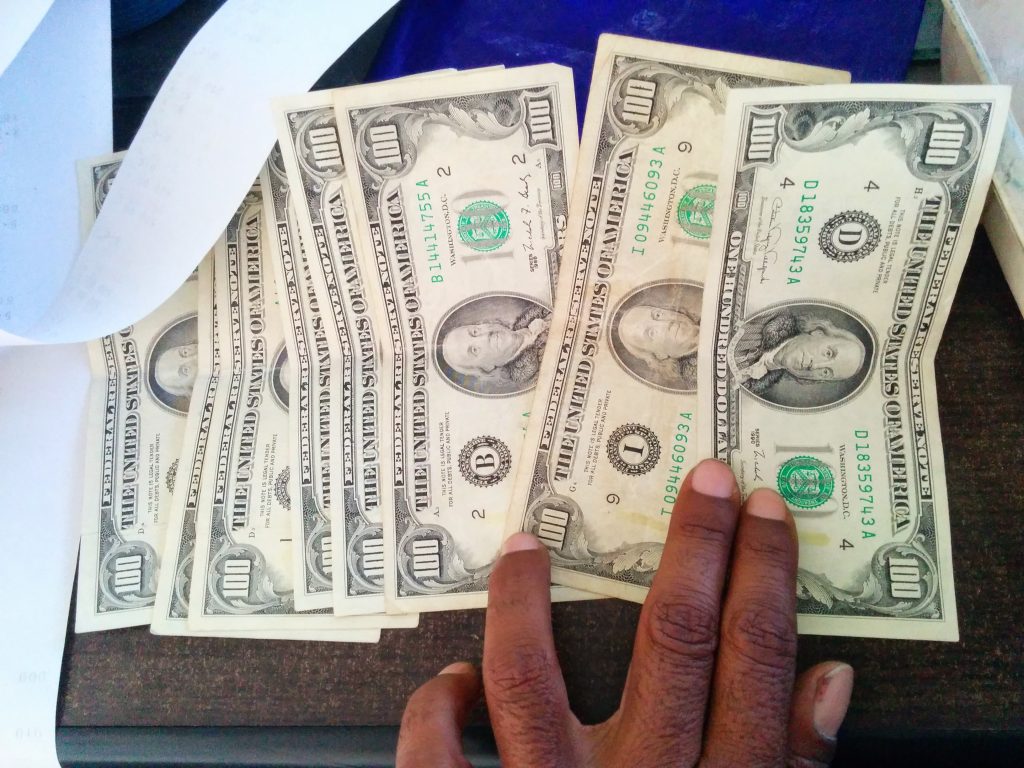
What Currency Should You Bring to Ethiopia?
Cash remains essential when traveling in Ethiopia. It is the most reliable way to pay for goods and services, and the local currency, the Ethiopian Birr (ETB), is widely used throughout the country.
Most banks outside Ethiopia do not stock Ethiopian Birr, so it is generally best to bring one of the following major currencies:
- US Dollars (USD)
- Euros (EUR)
- British Pounds (GBP)
These currencies can easily be exchanged at banks across Ethiopia.
If you bring another currency, you may incur additional costs through a “double exchange” process, where your money is first converted into a major currency and then converted again into Ethiopian Birr.
Upon arrival at Addis Ababa Bole International Airport, you can exchange enough money to cover immediate expenses such as a taxi to your hotel. Several banks operate within the airport, including before exiting the customs area.
Unlike many destinations where airport exchange rates are unfavorable, Ethiopia’s exchange rates are regulated by the National Bank of Ethiopia. As a result, rates are generally consistent across authorized banks nationwide, including those at the airport.
Although Ethiopian Birr is the preferred currency, some international hotels, tour operators, and tourism-related businesses may occasionally accept USD, EUR, or GBP. Small businesses such as local guides, taxis, and souvenir shops may also accept foreign currency, but carrying local cash is strongly recommended.
Ethiopian Currency (ETB)
The Ethiopian Birr (ETB) is the official currency of Ethiopia.
Once foreign currency has been exchanged into Birr, converting it back into foreign currency can be difficult. Due to ongoing foreign currency shortages, reverse exchange services are very limited.
For this reason, travelers should exchange only what they expect to spend and avoid converting large amounts unnecessarily.
While black-market currency exchange exists, it is not recommended due to legal and security risks.
Ethiopian Birr Overview
Currency Code: ETB
Currency Name: Ethiopian Birr
Coins:
- 1 Santim
- 5 Santim
- 10 Santim
- 25 Santim
- 50 Santim
- 1 Birr
Banknotes:
- 5 ETB
- 10 ETB
- 50 ETB
- 100 ETB
- 200 ETB
Subunit:
1 Birr = 100 Santim
Can You Use Credit Cards in Ethiopia?
Ethiopia remains largely a cash-based economy.
Even in major cities such as Addis Ababa, many fuel stations, restaurants, local businesses, and shops accept cash only.
Credit card usage is increasing, but it is still generally limited to:
- International hotels
- Major supermarkets
- Upscale restaurants
- Airlines
- Large retail stores
- Some tourism businesses
Travelers should bring a credit or debit card for convenience but always carry sufficient cash as a backup.
Exchange Rates and Travel Tips
Exchange rates in Ethiopia are regulated by the National Bank of Ethiopia, meaning rates are generally similar across authorized banks.
Banks usually do not charge a commission for exchanging foreign cash. However, ATM withdrawals may involve local transaction fees as well as charges from your home bank.
Since Ethiopian Birr is difficult to use outside Ethiopia, it is wise to estimate your expenses carefully and avoid exchanging more money than necessary.
If you have Birr remaining at the end of your trip, consider purchasing local handicrafts, souvenirs, coffee, or supporting local businesses before departure.
ATMs in Ethiopia
ATMs are widely used by travelers who need access to local currency without carrying large amounts of cash.
Where to Find ATMs
ATMs can be found in most major cities and towns, especially:
- Near banks
- International hotels
- Shopping centers
- Supermarkets
- Government buildings
- Commercial districts
However, ATMs are uncommon in rural areas, remote regions, and many tribal destinations such as the Omo Valley.
If you are traveling to remote destinations, including the Omo Valley, Simien Mountains, Danakil Depression, or other off-the-beaten-path locations, withdraw sufficient cash before leaving major cities.
ATM Reliability
ATM reliability can vary.
Internet outages, power interruptions, and machines running out of cash are relatively common in Ethiopia.
If one ATM is not working, try another nearby machine and always keep emergency cash available.
Accepted Cards
The most widely accepted cards are:
- Visa
- Mastercard
UnionPay and American Express may be accepted at selected banks, particularly Dashen Bank ATMs, but availability can vary.
Outside major urban areas, ATM withdrawals are typically available only in Ethiopian Birr (ETB).
ATM Tips
Use your card mainly for larger expenses such as:
- Hotel payments
- Higher-end restaurants
- Travel services
To reduce transaction fees, it is often more economical to withdraw the maximum amount allowed in a single transaction rather than making multiple small withdrawals.
Important Travel Advice
Before traveling to Ethiopia, inform your bank or credit card provider about your travel dates and destination.
This simple step can help prevent your card from being blocked due to suspected fraud while traveling.
For a smooth Ethiopia travel experience, carry a combination of local cash, a debit card, and a credit card. This approach provides flexibility and ensures you are prepared whether you are exploring Addis Ababa, visiting the Omo Valley tribes, trekking in the Simien Mountains, touring Lalibela’s rock-hewn churches, or discovering the Danakil Depression.